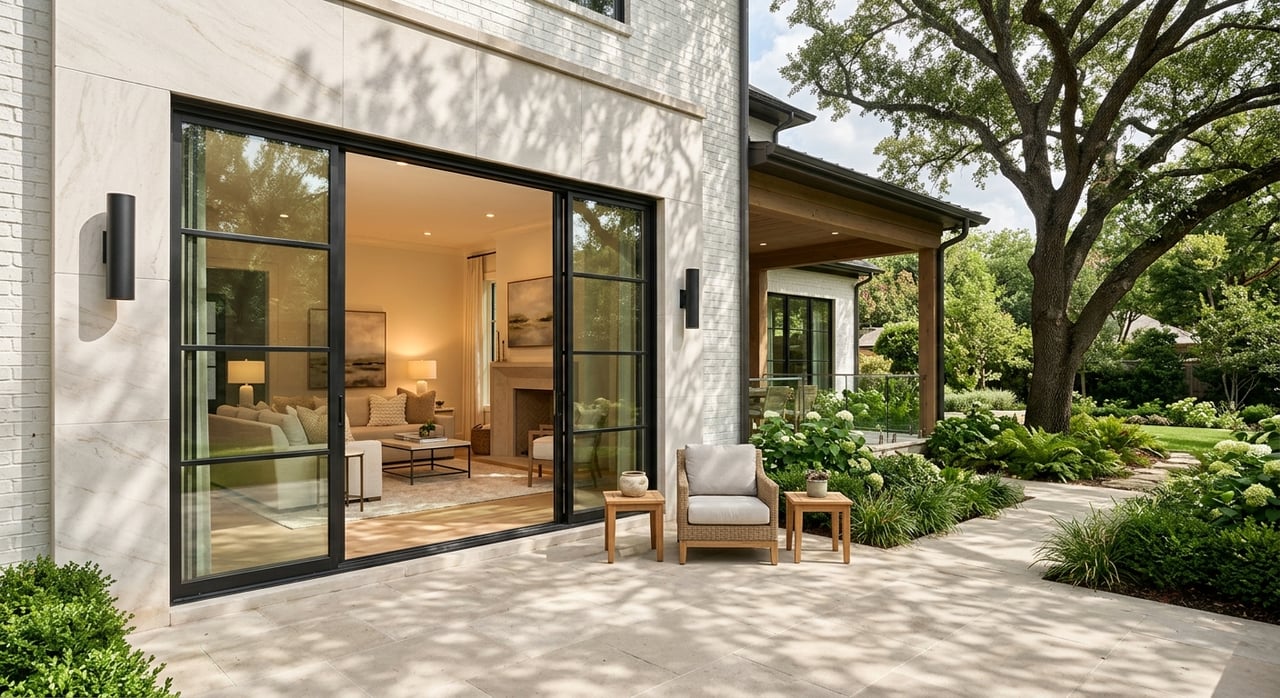
Park Cities Lifestyle and Amenities in Everyday Life
April 23, 2026
April 23, 2026
If you are considering Park Cities, you are probably looking for more than a well-known address. You want to know what daily life actually feels like, how errands flow, where people spend time outdoors, and whether the area offers both convenience and character. In Park Cities, the answer is less about a single destination and more about a polished, practical routine built around parks, retail hubs, civic traditions, and easy access to the rest of Dallas. Let’s take a closer look.
Park Cities operates more like a collection of connected neighborhood routines than a dense urban center. University Park describes itself as a predominantly residential community of more than 25,000 residents located about five miles north of downtown Dallas, with easy access to cultural, recreational, shopping, and business activity.
That description helps explain the area’s appeal. Your day here is often shaped by short, repeatable outings, such as a walk to a park, a stop at the library, lunch in a nearby retail district, or an evening event tied to the local calendar. The experience is refined, but it is also practical.
One of the clearest parts of everyday life in Park Cities is how often green space enters the picture. In Highland Park, the town maintains 22 park locations, along with traffic islands, tennis courts, playgrounds, and a swimming pool.
That kind of park density matters in real life. It gives you more ways to fit outdoor time into a normal day, whether that means a creekside walk, a quick visit to a playground, or an afternoon on a court or trail.
Lakeside Park is one of the area’s best-known outdoor settings. It sits next to Turtle Creek, and Highland Park notes that more than 8,000 azaleas bloom there each spring.
For many buyers, that is part of the Park Cities rhythm. Outdoor spaces are not just occasional destinations. They are part of how the neighborhood looks and feels throughout the year.
University Park adds to that same outdoor pattern with parks designed for frequent use. Caruth Park includes soccer fields, a t-ball field, playgrounds, picnic tables, a fishing pond, and a lighted fountain.
Other nearby parks support walking, jogging, tennis, pickleball, and open space. Centennial Park includes public walking and jogging trails and an open-air gazebo, while Prather, Davis, Connor, and Fairfax parks add more paths, benches, and recreational features.
Park Cities also benefits from ongoing municipal attention to public spaces. University Park says it maintains parks, medians, and traffic islands, plants seasonal color, and adopted a Parks, Recreation, Trails, Open Space and Recreation Master Plan in 2024.
That matters if you are evaluating lifestyle consistency. Well-kept public spaces often shape how a place functions day to day, not just how it looks in listing photos.
Daily life in Park Cities is also defined by compact retail nodes that make routine stops feel convenient. Instead of relying on a single downtown core, the area offers a few distinct centers that support shopping, dining, and services.
Snider Plaza is one of the most recognizable. University Park describes it as a thriving retail center in the heart of the city and the original 1927 commercial district.
Snider Plaza works well for regular errands and casual meetups. It is walkable, established, and woven into the city’s daily pattern in a way that feels practical rather than overly programmed.
Preston Center adds another layer. University Park notes upscale boutiques and fine dining there, along with more shops and eateries along Preston Road, Lovers Lane, and near SMU.
An underrated part of Park Cities daily rhythm is the library system. The University Park Public Library is located in Preston Center Plaza and serves patrons from infants to senior citizens, with browsing, curbside pickup, story times, and community programming.
Highland Park Library offers story times, volunteer opportunities, and Book a Librarian appointments. These are the kinds of civic resources that often make a neighborhood feel more connected and more usable throughout different stages of life.
For a more elevated retail and dining experience, Highland Park Village remains a major draw. Visit Dallas describes it as the city’s premier open-air luxury shopping and dining destination.
That gives Park Cities a broader lifestyle range. You can move between everyday errands and a more destination-oriented experience without leaving the immediate area.
A neighborhood often reveals itself through its recurring events, and Park Cities has a strong civic calendar. These traditions help create continuity across seasons and give residents regular ways to gather in public spaces.
One of the best-known examples is the Park Cities 4th of July Parade. University Park describes it as a decades-long tradition sponsored by the Park Cities Rotary Club.
The local calendar extends well beyond summer. University Park hosts a holiday tree lighting in Snider Plaza, while Highland Park holds an annual tree-lighting ceremony at the Landmark Pecan Tree on Armstrong Avenue.
University Park also publicizes recurring events like Movie in the Park, Eggstravaganza, and Arbor Day. Together, these events help shape the feel of the area as much as the built environment does.
Libraries and youth programs add even more structure to the calendar. Highland Park Library offers children’s story times, and University Park Public Library runs programming such as Baby Story Time and STEAM Station.
Highland Park also highlights youth-oriented involvement through community programming, and University Park notes that its Youth Advisory Commission helps promote annual events such as the summer fishing derby and holiday tree lighting. These details show how civic life carries through the year in smaller, recurring ways.
Another major part of living in Park Cities is what sits just outside the residential core. You get a quieter, more neighborhood-centered setting while staying close to major cultural and transportation anchors.
That balance is one reason the area stands out. It can feel residential in your day-to-day routine, but you are still well connected to larger destinations across Dallas.
Southern Methodist University is a major nearby anchor, and the George W. Bush Presidential Center adds another cultural destination just beyond the neighborhood core. SMU describes it as a 23-acre site on the east side of campus that includes the museum, presidential library, and a 15-acre urban park with trails and wildflowers.
That kind of proximity expands what everyday life can include. It gives you access to additional walking areas and cultural destinations without requiring a major trip across the city.
Park Cities is also close enough to downtown Dallas for arts and museum access to be part of regular life. The Dallas Arts District describes itself as the largest contiguous urban arts district in the nation, and Visit Dallas highlights institutions there including the Dallas Museum of Art, Nasher Sculpture Center, Winspear Opera House, Meyerson Symphony Center, and Perot Museum.
For buyers who want both neighborhood calm and cultural access, that nearby mix can be a meaningful advantage.
Connectivity is not limited to destinations by car. The Katy Trail runs from downtown Dallas north to Mockingbird Lane and Central Expressway, extending outdoor access beyond the immediate neighborhood.
DART also notes that the current Park Cities GoLink zone provides on-demand service in Highland Park and University Park with connections to SMU/Mockingbird Station and Route 237. Highland Park further notes that Mockingbird Station can connect travelers to Love Field via the Orange Line and to DFW through Orange Line and TRE service.
When you step back, the strongest case for Park Cities is not just prestige. It is the way daily life comes together in a highly usable format.
You have tree-lined residential streets, well-maintained parks, walkable retail nodes, library programming, seasonal traditions, and access to major Dallas culture all within a relatively compact geography. That combination gives the area a polished identity, but it also supports the practical side of how you actually live.
If you are weighing whether Park Cities fits your lifestyle goals, the real question is how you want your days to work. If you value a neighborhood where outdoor time, errands, civic spaces, and city access all fit together naturally, Park Cities offers a strong case. If you want expert guidance as you explore Park Cities and other Dallas neighborhoods, connect with Grant Gold for a thoughtful, data-driven approach tailored to your goals.
Stay up to date on the latest real estate trends.
Get assistance in determining current property value, crafting a competitive offer, writing and negotiating a contract, and much more. Contact me today.