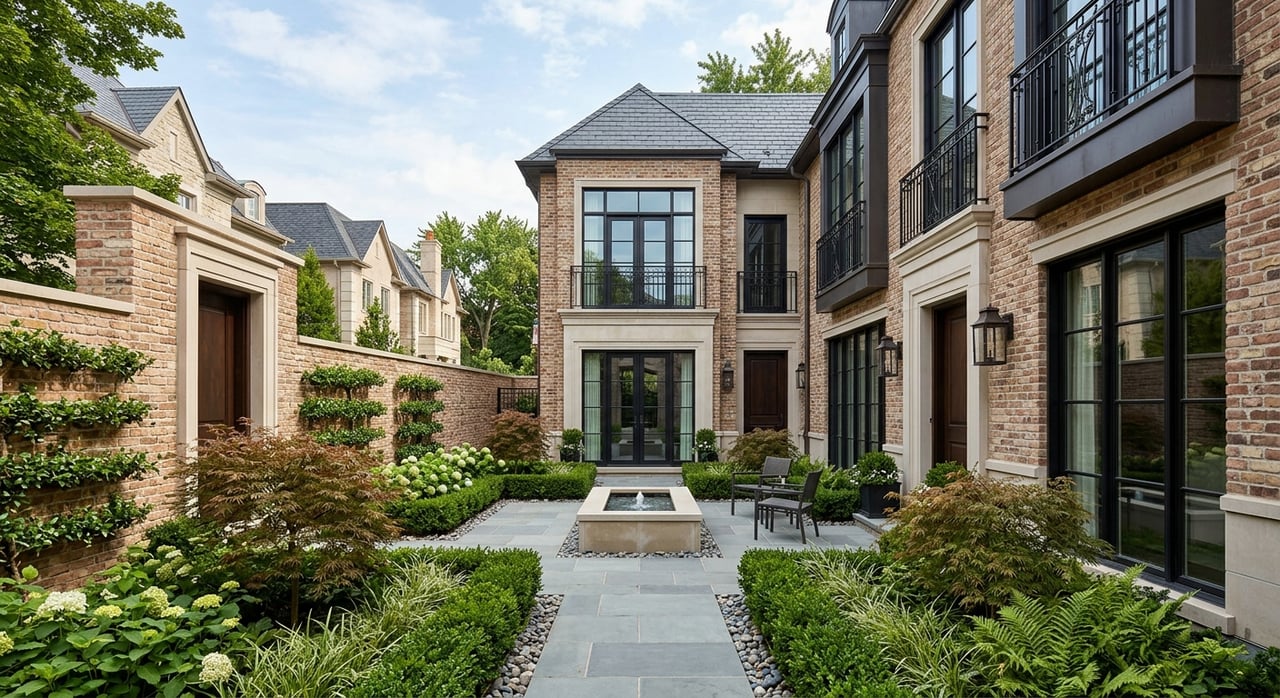
Downsizing In Park Cities Without Compromising Lifestyle
May 21, 2026
May 21, 2026
If you love life in the Park Cities, downsizing can feel less like a real estate decision and more like a lifestyle test. You may want less upkeep and a more manageable home, but you probably do not want to give up the routines, places, and connections that make daily life feel familiar. The good news is that in Highland Park and University Park, downsizing is often about preserving continuity, not starting over. Let’s dive in.
In many markets, downsizing simply means buying less house. In Park Cities, it often means deciding which parts of your current lifestyle matter most and finding a home that protects them.
That distinction matters because Highland Park and University Park are small, established communities close to downtown Dallas. University Park describes itself as a predominantly residential community of more than 25,000 residents, about five miles north of downtown, and home to Southern Methodist University and the George W. Bush Presidential Center. Recent Census estimates place University Park at 25,323 residents and Highland Park at 8,762 residents in 2024.
For many longtime owners, a move within or near the Park Cities is not about leaving the area behind. It is about staying close to the parks, shopping areas, walking routes, and community touchpoints that already shape your week.
Park Cities remains a high-value ownership market. The Census reports median owner-occupied home values of about $1.86 million in University Park and $1.99 million in Highland Park.
For homeowners who have owned for years, that can point to meaningful built-up equity. While every property and seller situation is different, that equity may create more flexibility to consider a condo, townhome, or smaller single-family option that better fits your next chapter.
The key is to think beyond price alone. A smart downsizing plan looks at how your equity, monthly costs, maintenance load, and day-to-day convenience all work together.
If your goal is to remain in the Park Cities, your search may be more selective than broad. University Park says the city has more than 7,000 homes and includes a mix of single-family and multi-family units, but redevelopment and housing changes can involve platting, variances, appeals, and commission review before permits are issued.
Highland Park shows a similar pattern. Its community development and zoning processes require permits for remodeling, additions, and new construction, and zoning changes move through hearings and town council action. The town also notes that remodeling can be burdensome and disruptive.
In practical terms, that means attached homes and smaller residences inside the Park Cities may be limited compared with buyer demand. When you do find an option, details matter more than ever.
When you tour condos, townhomes, or compact single-family homes, focus on how the property supports your daily life, not just how it looks on day one.
Consider:
A smaller home can still live well if the floor plan is efficient and your most important needs are covered.
Most downsizers are not only comparing bedrooms and baths. They are also protecting the habits and places that make life enjoyable and convenient.
University Park says its parks department maintains eight major parks and focuses on lifelong recreation and leisure opportunities. The University Park Public Library serves the community from infants to senior citizens. The city also highlights Snider Plaza, Preston Center, and other retail corridors, along with seven religious institutions located throughout the city.
Highland Park offers a similarly strong set of community amenities. The town says it has 22 park locations, 12 landscaped traffic islands, and about 59.3 acres of maintained green space. Lakeside Park remains one of the signature walking destinations along Turtle Creek.
If those places are part of your weekly rhythm, a move that keeps you close to them may feel far more comfortable than a move that simply gives you a lower-maintenance property farther away.
One overlooked benefit of downsizing is the chance to simplify transportation along with your home. That can be especially appealing if you want a more lock-and-leave setup and less dependence on daily driving.
Highland Park operates Highland Park On-Demand, a microtransit program that provides flexible transportation within the community and to nearby transit. For some buyers, that service adds another layer of convenience when evaluating whether a smaller home can support long-term ease.
This is why location and access deserve as much attention as finishes and square footage. The best downsizing move often makes everyday errands and routines simpler.
Sometimes the right fit is not available inside Highland Park or University Park. If your must-have list includes true lock-and-leave living, newer construction, elevator access, or more attached-home inventory, nearby Dallas districts may offer more choices.
Visit Dallas describes Uptown as one of the city’s most walkable neighborhoods, with West Village offering a cluster of higher-end shops, restaurants, and entertainment. It also describes Turtle Creek Park as a 20-acre natural oasis in the heart of the city.
Oak Lawn offers a dense dining scene and a range of home types, while Knox/Henderson is known for its restaurant and bar mix. For a Park Cities homeowner, these nearby areas can widen the search without giving up access to many of the urban amenities that make Dallas living appealing.
If you are open to looking just outside the Park Cities, it helps to compare locations by lifestyle, not just map distance.
For many buyers, the answer is not choosing between staying and leaving. It is choosing how close you want to remain to the routines you already enjoy.
Your next home may be smaller, but your tax planning may not be simpler. Texas property-tax rules can play a meaningful role in the decision.
The Texas Comptroller says school districts must provide a $140,000 residence-homestead exemption. Homeowners age 65 or older or disabled may also qualify for an additional $60,000 school-district exemption.
Dallas Central Appraisal District says the age 65+ exemption includes a school tax limitation, also called a ceiling. Its exemption guidance explains that a ceiling transfer may be possible when moving to another Texas home, depending on the taxing unit rules.
That means you should compare more than purchase price when evaluating a downsizing move. A complete picture may include:
The Texas Comptroller says the general filing deadline for exemptions is before May 1. DCAD also says late filing may be possible up to two years after the delinquency date.
A clear process can keep you from making a move that looks good on paper but feels wrong in real life. Start by identifying the routines you want to preserve.
Ask yourself:
Once you know those priorities, the home search becomes more focused and less emotional. You are no longer just searching for less space. You are searching for the right version of your current lifestyle.
Downsizing in and around the Park Cities can be nuanced because the tradeoffs are rarely simple. You may be weighing limited inventory, building rules, HOA structures, tax questions, and the very personal issue of what you want daily life to look like next.
That is where a data-driven, high-touch approach matters. The right strategy can help you compare options clearly, move with confidence, and avoid giving up conveniences that are more valuable than extra square footage.
If you are thinking about downsizing in Park Cities, Grant Gold can help you evaluate the right in-town and close-in options with a clear plan built around how you want to live.
Stay up to date on the latest real estate trends.
Get assistance in determining current property value, crafting a competitive offer, writing and negotiating a contract, and much more. Contact me today.