Uptown Retail Leasing Strategy for McKinney Avenue
January 15, 2026
January 15, 2026
Are you planning to lease or reposition retail space along McKinney Avenue and want a plan that works in Uptown’s real-world conditions? You face a high-demand, high-visibility corridor where the right mix and timing drive value, and the wrong choices stall momentum. In this guide, you’ll get a clear, tactical strategy for tenant mix, TI and deal terms, pre-leasing milestones, operations and metrics tailored to McKinney Avenue. Let’s dive in.
Uptown is one of Dallas’s most active mixed-use districts with multifamily, office, hotels and nightlife all feeding both daytime and evening demand. McKinney Avenue functions as a primary retail and restaurant spine with strong pedestrian volumes and excellent visibility from car and transit corridors. The historic streetcar and frequent local events add foot traffic and create place-making opportunities that retailers and restaurants can harness.
The customer base skews toward young professionals with above-average household incomes in parts of Uptown and a large daytime employment base. This mix supports concepts that meet convenience needs during the week and social or leisure needs at night and on weekends. When you lean into both use cases, you expand visit frequency and stabilize sales.
Your core shoppers include renters and condo residents, daytime office workers, visitors and weekend diners. They respond well to offerings that are easy to reach on foot or via short rideshare and transit hops. That mix favors categories with frequent visits and clear value: coffee, quick-casual lunch, fitness, beauty services and experiential dining.
The implication for leasing is simple: you want a cadence of daily-use tenants paired with destination F&B and lifestyle brands. Convenience and services provide steady traffic you can count on. Restaurants, boutique fitness and personally engaging retail deliver energy, buzz and longer dwell times.
Prioritize traffic drivers at high-visibility corners and along trolley stops or transit nodes. Use interior linear storefronts for boutique retail and complementary services that benefit from established footfall. Avoid overconcentrating the same category so you don’t cannibalize sales or dilute your positioning.
Offer a mix of small shop units around 600 to 1,500 square feet for boutiques and quick service, and larger footprints from 2,000 to 6,000 square feet or more for full-service restaurants and flagships. Design shells and demising plans with flexibility so you can right-size for credit tenants during pre-leasing. This keeps your pipeline broad and reduces downtime.
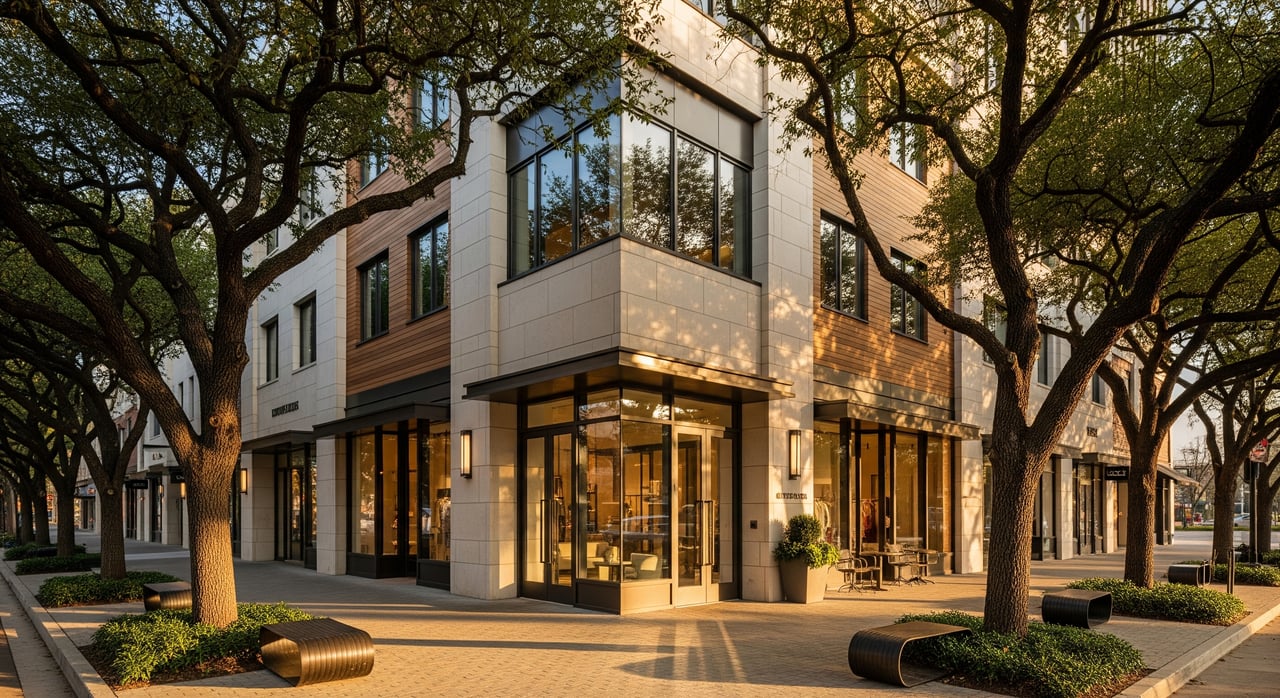
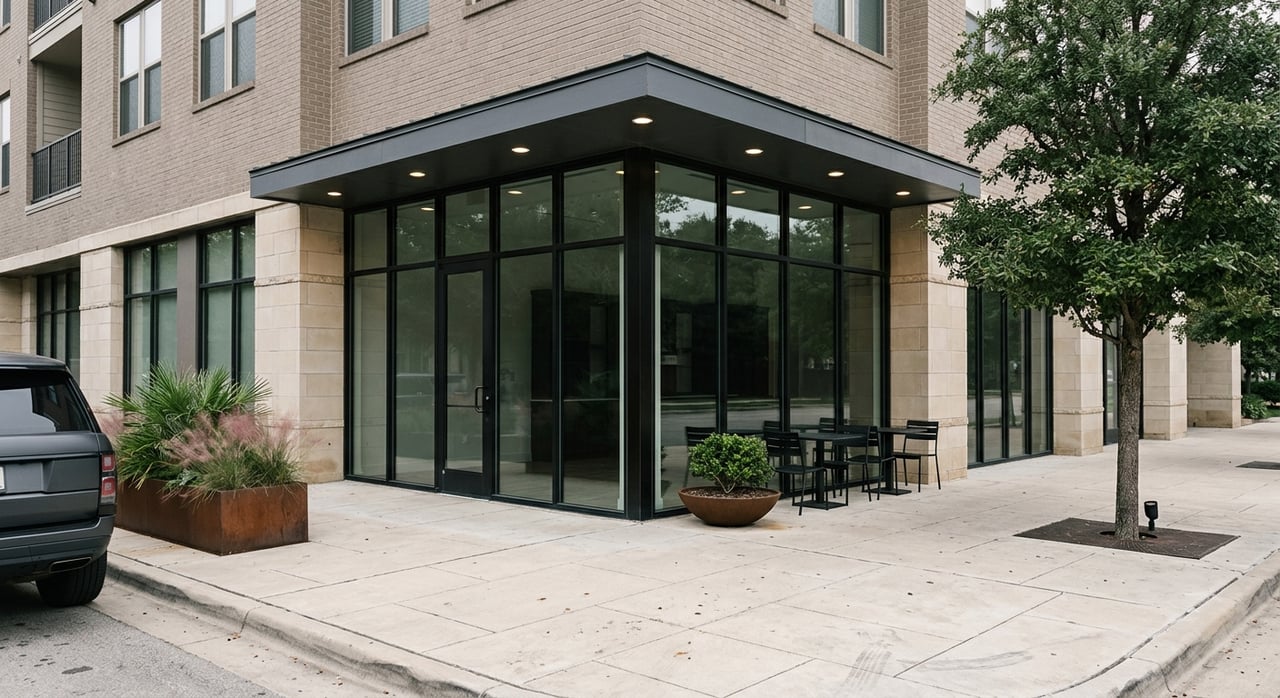
Frontage is a primary value driver on McKinney Avenue. Corner and endcaps command premiums because of dual exposure and strong sightlines. Floor-to-ceiling glass, clear signage zones and outdoor seating opportunities materially impact effective rent and sales.
For F&B, plan for workable depth, service corridors and loading. Landlords that anticipate deliveries and waste management realities reduce friction for tenants after opening. The result is smoother operations and stronger long-term retention.
Restaurants need more capital for venting, grease interceptors, gas and plumbing. Retail and service uses typically require lower TI per square foot. Offer differentiated TI or turnkey elements for high-capex tenants, and be ready to prefund critical infrastructure where it supports your rent and credit goals.
Common TI approaches include a base allowance per square foot for finishes and additional landlord-provided build for key equipment, like kitchen hood and grease traps. If cash is tight, consider rent abatement or amortized recovery through rent steps instead of large upfront TI. Match lease term to capex: restaurants and destination concepts often require 7 to 15 years, while smaller retail may fit 3 to 7 years with options.
Shorter incubator terms, such as 6 to 12 months, let you test emerging operators and keep the block lively during lease-up. Successful pop-ups also help you negotiate better long-term economics once a concept proves traction.
Focus on effective rent, not just face rent. Free rent, TI and other concessions shape true economics in a competitive submarket. Be transparent about CAM, insurance and tax pass-throughs with clear definitions for operating expenses, reserves and admin fees to build tenant trust.
Use percentage rent selectively. Base rent plus NNN is standard for most McKinney Avenue retail. Percentage rent can make sense for high-grossing restaurants or specialty retail, but it is less common for small shop tenants.
Exclusivity and use clauses protect tenant economics but can limit your flexibility. Keep exclusives narrow and avoid blanket restrictions in categories that can support multiple operators, such as differing cuisines. For larger tenants, co-tenancy standards and remedies should be specific, time-bound and designed to prevent long dark periods that hurt perception and sales.
Most lenders and investors look for meaningful pre-leasing before you secure permanent financing or reach stabilization. It is common to target roughly 50 to 70 percent of retail GLA pre-leased for favorable terms, with exact thresholds tied to tenant credit, lease lengths and sponsor track record. Clarify requirements with lenders early so your lease plan supports your capital stack.
A practical sequence looks like this:
Choose brokers with Uptown track records and align them with a clear merchandise plan, TI strategy and deal matrix. In many cases, a lead broker handles national outreach while a local specialist curates small shops and pop-ups. Provide accurate floor plans, visibility metrics, and a list of build limitations early to shorten the deal cycle.
While the project is still dark, activate the site with pop-ups, food trucks and events. This shows energy to both customers and prospects and helps convert fence-sitters. Stagger daily-use tenants like coffee, quick service and fitness first so they set the cadence for the block.
Confirm electrical capacity, gas service and waste routing early, especially if you plan multiple kitchens. Upgrading after leases execute is expensive and slows openings. Plan HVAC zoning and individual controls to reduce retrofit costs and tenant friction.
Restaurants require rooftop exhaust and grease interceptors. Understand your sewer capacity and grease rules before you promise a heavy F&B mix. Limited alleys in Uptown mean you may need on-site loading solutions, delivery windows or managed curb space.
Expect City of Dallas building permits, sidewalk café or encroachment permits, and signage reviews depending on your block. Outdoor seating drives rent and activation but needs careful site planning to meet right-of-way rules. For alcohol service, tenants will need Texas Alcoholic Beverage Commission licensing, and you should understand any local zoning limits that affect certain concepts.
Parking is often tight in Uptown. Shared parking plans, valet agreements and nearby garage partnerships can replace high surface ratios. Designate short-term pickup and delivery bays to support omnichannel retail and takeout.
Bake ADA compliance, egress, sprinklers and fire suppression into demising plans so you avoid costly redesigns. Sustainability features like EV parking and efficient systems are increasingly important to national tenants and can strengthen your pitch.
Track leasing and operational KPIs so you can adjust early. Useful measures include:
Build a simple scorecard you update monthly. Share highlights with your lenders and key tenants to keep everyone aligned. Use the data to refine merchandise mix and dial TI or concessions up or down by frontage and unit type.
McKinney Avenue rewards clear merchandising, disciplined TI strategy and a staged opening plan that builds daily traffic first and destination energy second. When you align leasing with construction, permitting and financing, you shorten time to revenue and protect long-term value. The right execution attracts strong operators, increases renewal odds and stabilizes your effective rent.
If you want a tailored leasing plan, site audit or second opinion on deal structure for your Uptown asset, connect with Grant Gold to Schedule a Consultation. You’ll get institutional-grade insight with responsive, on-the-ground execution.
Stay up to date on the latest real estate trends.


Get assistance in determining current property value, crafting a competitive offer, writing and negotiating a contract, and much more. Contact me today.