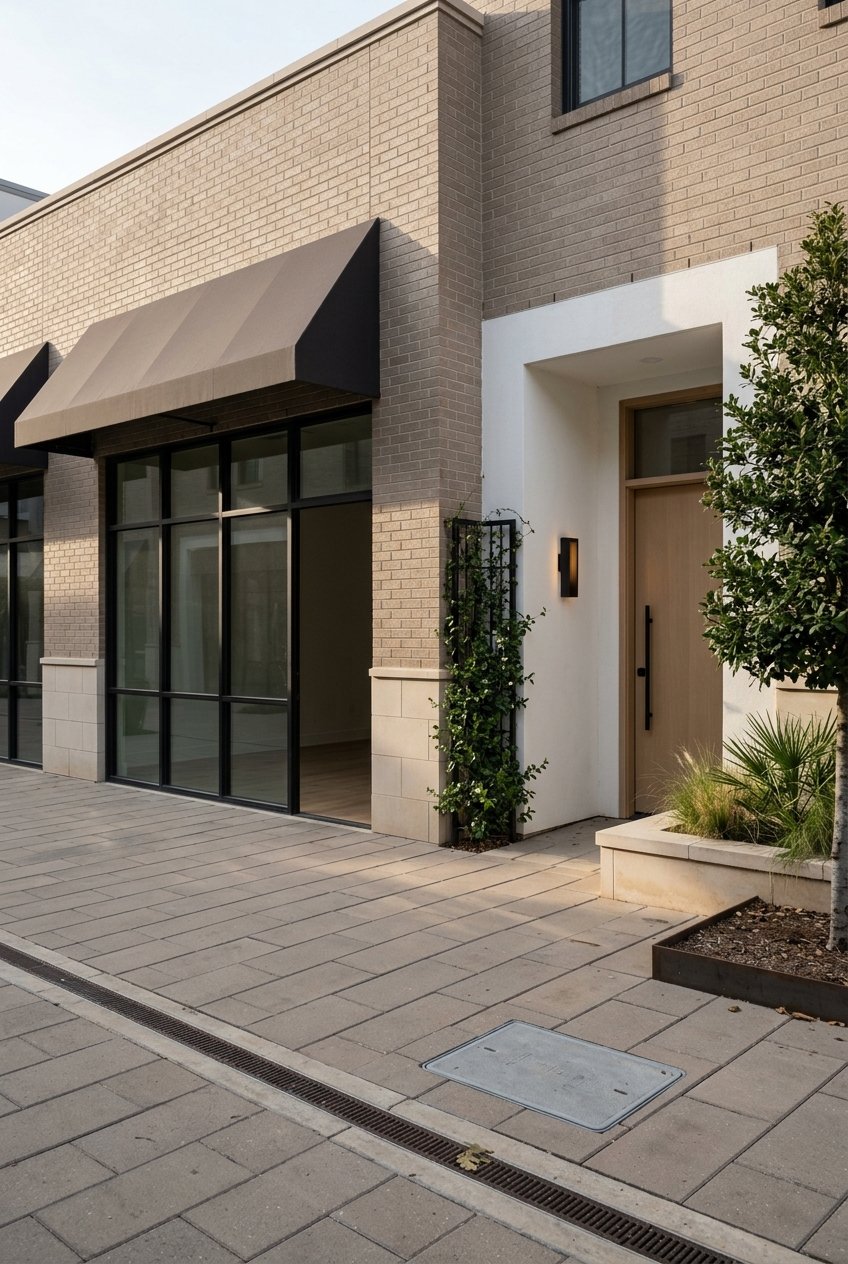
How Dallas Mixed-Use Real Estate Is Changing Urban Living
June 11, 2026
June 11, 2026
Wondering why so many Dallas neighborhoods feel less like single-purpose districts and more like complete places to live, work, dine, and unwind? You are seeing a real shift in how urban Dallas is being built, especially in Uptown, Downtown, Victory Park, and emerging mixed-use hubs. If you are buying, selling, or simply tracking where the city is headed, understanding mixed-use development can help you make smarter real estate decisions. Let’s dive in.
Mixed-use projects bring multiple property types into one connected setting. That can mean apartments or condos above retail, office space next to restaurants and parks, or a district that blends residences, hospitality, and public gathering spaces.
In Dallas, this model is no longer a niche idea. Dallas Downtown, Inc. describes downtown as a network of vibrant mixed-use neighborhoods rather than a traditional 9-to-5 business center. Its 2024 annual report says downtown now includes nearly 15,000 residents, more than 20 acres of green space added through five new parks, and more than 30 active projects.
That shift matters because it changes how a neighborhood functions day to day. Instead of emptying out after work hours, mixed-use districts can support activity in the morning, midday, evening, and on weekends. For you as a buyer or seller, that often translates into stronger lifestyle appeal and a clearer sense of place.
Dallas has also updated its rules to support this pattern more directly. The city has formal MU-1, MU-2, and MU-3 mixed-use districts, giving developers clearer zoning paths for projects that combine uses.
The city’s MIHDB program adds development rights in eligible multifamily and mixed-use districts in exchange for affordable units or a fee. According to the city, those eligible districts cover roughly 15,000 acres across Dallas. That gives builders more flexibility on height, density, floor area ratio, and parking in the right locations.
Parking policy is changing too. Dallas City Council adopted Parking Reform on May 14, 2025, removing minimum parking requirements for many uses in downtown and transit-oriented locations, while also eliminating minimums for office and most retail. In practical terms, that can make urban projects easier to deliver and can free up land for more active uses.
For many buyers, the biggest benefit is convenience. In a well-designed mixed-use district, you can live near dining, services, offices, parks, trails, and transit instead of driving between each destination.
Research cited in the report shows that compact communities with a mix of uses and transportation options make walking, biking, and transit easier. Mixed-use developments can also keep more trips within the district itself, which helps support the street-level businesses that give neighborhoods energy.
That does not mean every tradeoff disappears. More density can also bring more activity, event traffic, construction phases, and competition for parking. If you are considering a home in one of these districts, it helps to weigh both the convenience and the reality of urban intensity.
This area remains one of Dallas’s clearest examples of high-performing mixed-use development. It blends residential demand, office demand, restaurants, and public spaces in a way that attracts both residents and businesses.
One major example is 23Springs, which opened in August 2025 with a 26-story office tower, two freestanding restaurant buildings, a half-acre park, and 641,563 square feet of total development. Granite reported the project was 63% leased before opening, which points to strong demand for well-located mixed-use product.
Maple Terrace adds to the same story with 345 rental units, 157,000 square feet of office, and 15,000 square feet of street-level restaurant space. Chalk Hill, planned near the Katy Trail, would add hotel, condo, office, and restaurant space in one project. Together, these projects show how this part of Dallas continues to evolve as a connected urban district rather than a collection of separate buildings.
East Village is another area to watch closely. The Central, located on the edge of Uptown and East Village, is planned as a 27-acre mixed-use community organized around office, residential, experiential uses, and a large park.
Its full buildout envisions 2,000 planned residential units, with The Oliver serving as an early apartment phase. For buyers, that kind of long-range district planning can signal future walkability and stronger neighborhood identity, though timing still matters because large projects are delivered in phases.
Downtown Dallas is becoming more residential and more layered in how people use it. Dallas Downtown, Inc. reports office-to-residential conversions such as The Sinclair and Peridot Apartments, which reinforce the move toward a fuller live-work-play environment.
In the Arts District, HALL Arts combines office, sculpture, residences, and hotel uses, with future mixed-use phases planned. East Quarter is restoring 18 historic buildings while adding a 20-story tower with office, retail, and 336 apartments. Park District also reflects this shift, pairing 500,000 square feet of office with 228 residences and street-level retail after being rezoned from office-only to mixed-use.
Field Street District points to what may come next. It is planned as a mixed-use community hub intended to connect six downtown neighborhoods, showing how Dallas is thinking not just about individual towers, but about district-wide connections.
Victory Park may be the most established Dallas example of mixed-use density near a major anchor. According to Hillwood, the district includes more than 2,000 residences, over 260,000 square feet of retail, multiple office options, and future office capacity on more than 11 contiguous acres.
The district also emphasizes walking access to the Katy Trail, DART commuter rail, and Trinity Rail Express. For buyers who value mobility and convenience, that combination of density and transportation access is a big part of the appeal.
Mixed-use districts are not just popular in theory. The office numbers in the research report suggest that some of Dallas’s best-performing urban submarkets are the ones with strong mixed-use environments.
In Q1 2026, Uptown and Turtle Creek posted 241,694 square feet of net absorption. The same report shows average asking rent at $64.75 per square foot overall and $70.08 for Class A in Uptown and Turtle Creek, compared with $33.28 overall and $35.14 for the Dallas CBD. Vacancy was also lower in Uptown and Turtle Creek at 22.1%, compared with 34.2% in the CBD.
That does not mean every mixed-use project performs the same way. But it does suggest that districts with a strong blend of uses, quality public realm, and proven demand can command stronger leasing momentum. Retail follows a similar pattern, with the research report noting that mixed-use and master-planned developments are helping shape retail growth and support the foot traffic that restaurants and neighborhood services need.
If you are shopping for a condo, townhome, or urban residence in Dallas, mixed-use districts can offer a compelling lifestyle. Still, it is worth looking past the marketing language and focusing on what is already working on the ground.
A practical rule of thumb from the research is to favor projects where the park, retail, and first office or residential phase are already operating. Those places usually feel more complete sooner than districts still waiting on future towers or later hospitality phases.
You may also want to look closely at these factors:
These details can shape your experience just as much as the home itself. A beautiful residence in an unfinished district may live very differently from a similar home in a place with mature retail, open parks, and proven daily activity.
If you own property in or near one of Dallas’s mixed-use districts, this trend can strengthen your positioning when it is time to sell. Buyers are often drawn to homes that offer convenience, connectivity, and a clear neighborhood identity.
That means your marketing should do more than describe square footage and finishes. It should explain how the property connects to the surrounding district, whether that is access to parks, trail systems, dining, office hubs, or a walkable daily routine.
This is where a data-driven strategy matters. When a neighborhood is changing quickly, pricing and presentation need to reflect not only the home, but also the district momentum around it.
Mixed-use development is reshaping urban Dallas by making neighborhoods more connected, more active, and more useful throughout the day. From Uptown and Victory Park to Downtown and East Village, the city is moving toward districts that combine residential life with work, retail, hospitality, and public space.
For you, that creates both opportunity and nuance. The right mixed-use location can support a highly convenient lifestyle and long-term appeal, but the details of phasing, access, noise, parking, and district maturity still matter.
If you are considering a move in Dallas’s urban core, it helps to work with an advisor who understands both the consumer side of the transaction and the development logic behind these neighborhoods. For tailored guidance on buying or selling in Dallas’s evolving urban districts, connect with Grant Gold.
Stay up to date on the latest real estate trends.
Get assistance in determining current property value, crafting a competitive offer, writing and negotiating a contract, and much more. Contact me today.